



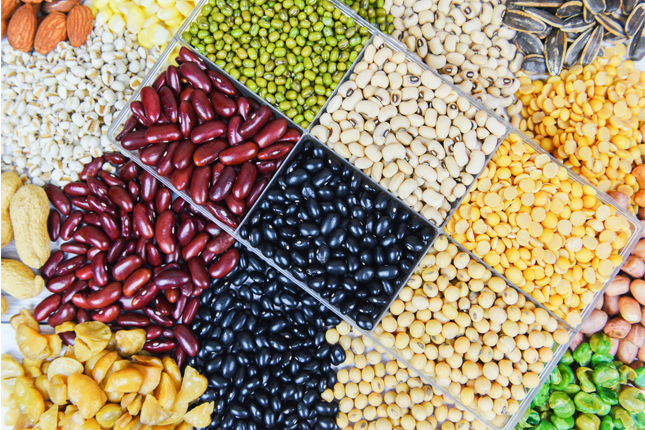
Pulses are the edible seeds of leguminous plants, such as lentils, chickpeas, beans, and peas, and they are an important source of plant-based protein for humans. These crops belong to the plant family Fabaceae and are widely cultivated for their nutritional and agricultural value. Pulses are rich in protein, dietary fiber, vitamins, and minerals like iron, potassium, and folate, making them especially important in vegetarian diets. They also play a key role in improving soil fertility because they can fix nitrogen from the atmosphere through a natural symbiotic process in the roots. In countries like India, pulses such as lentils (dal) are a staple food and form an essential part of daily meals. Common types of pulses include chickpeas (gram), kidney beans, black gram, green gram, and pigeon peas. They are used in a variety of dishes such as soups, curries, stews, and salads, making them both versatile and nutritious.